

Insights
How to choose a compacting bin: capacity, press, sensors and power
How to choose a compacting bin? Compare capacity, press, sensors and power to find the right fit for your urban collection service.
Choosing a compacting bin is not just about nominal litres. You need to match waste volumes, emptying frequency, waste streams and installation conditions.
A 120-litre bin may suit moderate flows; busy sites may need more nominal capacity. Sometimes a non-compacting container with fill monitoring is the better fit.
This guide compares what to check before choosing a smart compacting bin and how to navigate WasteMate models. For how press and monitoring work, see how smart compacting litter bins work.
1. Start from how much waste you collect
How fast do your bins fill today? Nominal internal capacity in litres is only a starting point, the press changes how much you can hold between emptying rounds.
- daily waste volumes;
- emptying frequency;
- event or tourist peaks;
- waste types;
- space for installation.
To measure operational pain points first, read how to measure on-street collection efficiency.
2. WasteMate 120 or 240: which capacity?
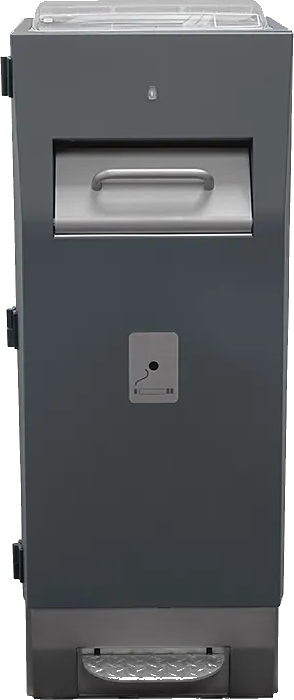
WasteMate 120 and WasteMate 240 are smart compacting bins with an integrated press, 120 L and 240 L nominal internal capacity respectively.
WasteMate 120
Compact footprint with integrated compaction. Pedestrian streets, squares and sites where you need more effective capacity without stepping up to 240 L nominal volume.
WasteMate 240
Higher nominal capacity for demanding collection points.
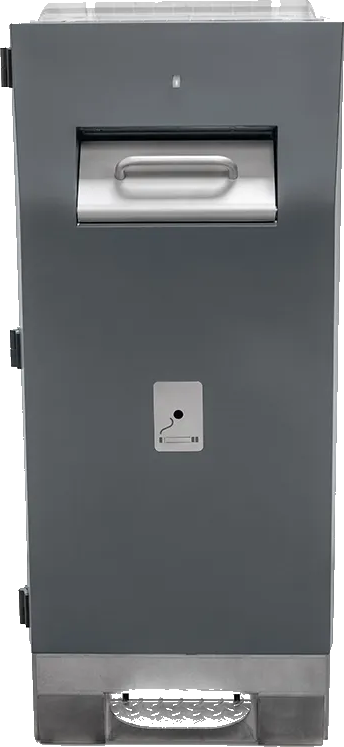
Seafronts, large public spaces and transport hubs with peaks in waste generation.
Comparison
| Criterion | WasteMate 120 | WasteMate 240 |
|---|---|---|
| Nominal internal capacity | 120 L | 240 L |
| Integrated press | Yes | Yes |
| Fill monitoring | Integrated | Integrated |
| Typical context | Moderate flows or limited space | Higher volumes and peaks |
| Footprint / installation | Verify on site | Verify on site |
Bigger is not automatically better, check footprint, waste type and real volumes. For economics, see when compacting bins pay off.
3. Do you need a press or is monitoring enough?
Compaction increases what fits between emptying rounds; monitoring alone suits adequate capacity when the issue is knowing when to act.
Consider WasteMate Basic and compacting bins vs fill-level sensors.
WasteMate Basic
Separate streams without a press.
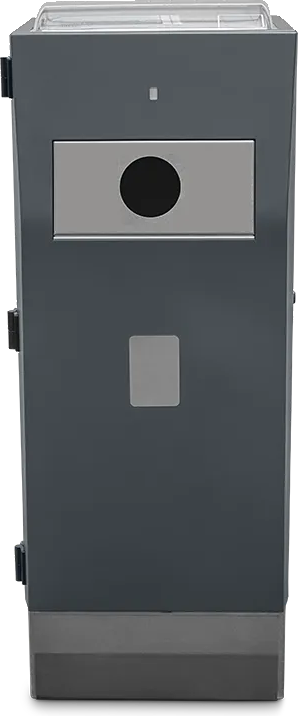
Optional fill sensor. Producer documentation lists 120 L as the standard capacity, confirm technical sheet and offer for other configurations.
4. Sensors and platform
WasteMate 120 and 240 include fill monitoring and location features per producer documentation; Basic offers optional sensing.
CleanCityManager can support fill visibility, alerts, history and planning, depending on configuration and options.
For existing containers, fill-level sensors may avoid replacing every bin with a compactor.
5. Solar or mains power?
Outdoor solar
Photovoltaic panel and battery where no grid connection is available, verify site conditions and model specs.
Indoor mains
Socket-powered configuration without solar where outdoor solar is not practical, confirm variant availability for your model.
For a dedicated comparison of solar, battery and mains power, see indoor and outdoor compacting bins: solar or electric.
6. Installation, maintenance and daily use
Check footprint, emptying procedures, connectivity, maintenance and multi-stream openings, not only litres or compaction ratios on the datasheet.
7. Which WasteMate fits your project?
| If you need… | Consider… |
|---|---|
| More capacity at a hot spot | 120 or 240 |
| Higher flows between emptying | WasteMate 240 after verifying real demand |
| A fraction without compaction | WasteMate Basic |
| Remote fill visibility | Smart models or sensors |
| No solar panel | Indoor mains variant if available |
Products that may fit your project
For projects like yours, many customers start with these WasteMate solutions. Compare capacity, use case and configurations before you get in touch.
Compacting litter bin
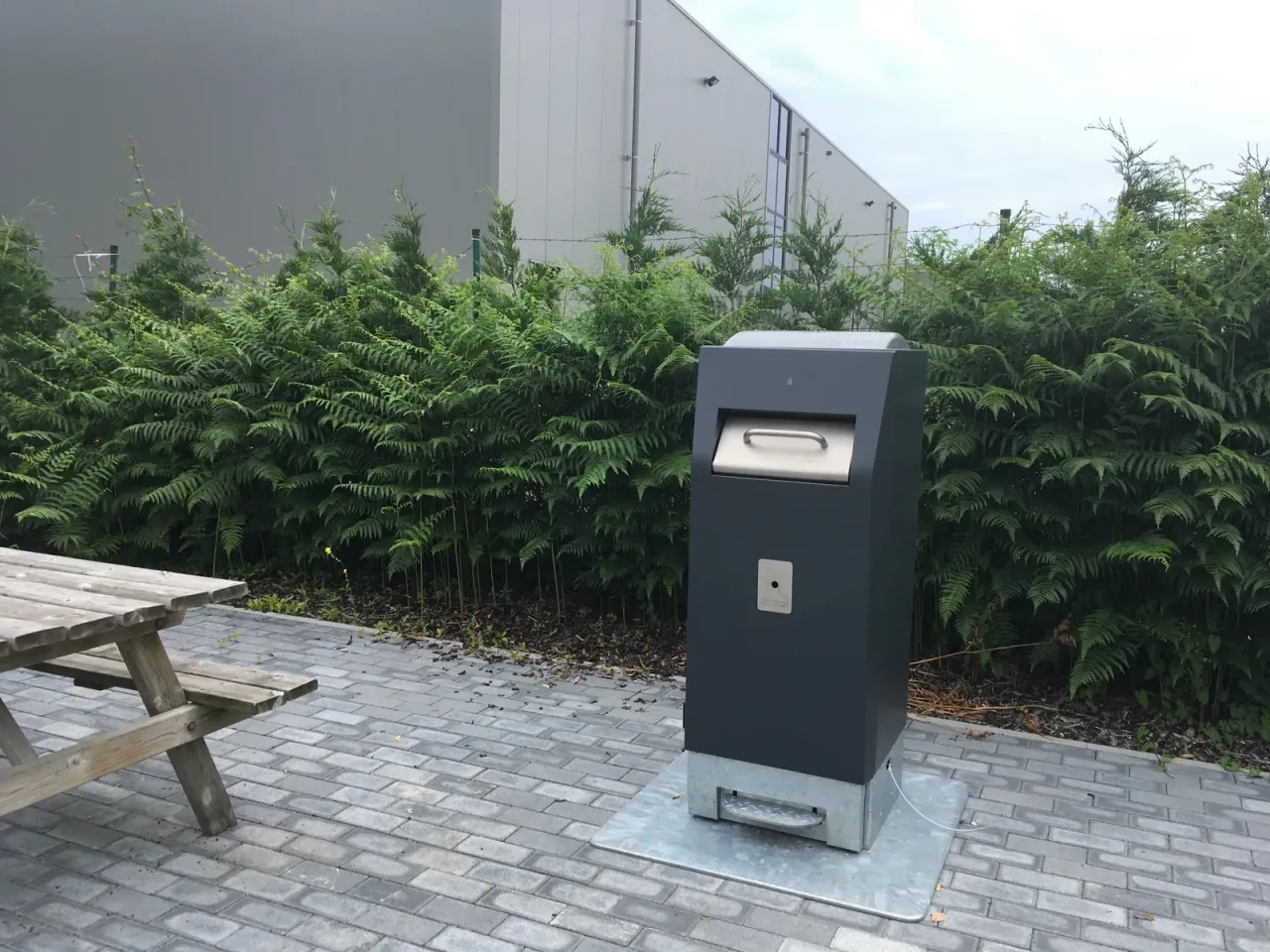
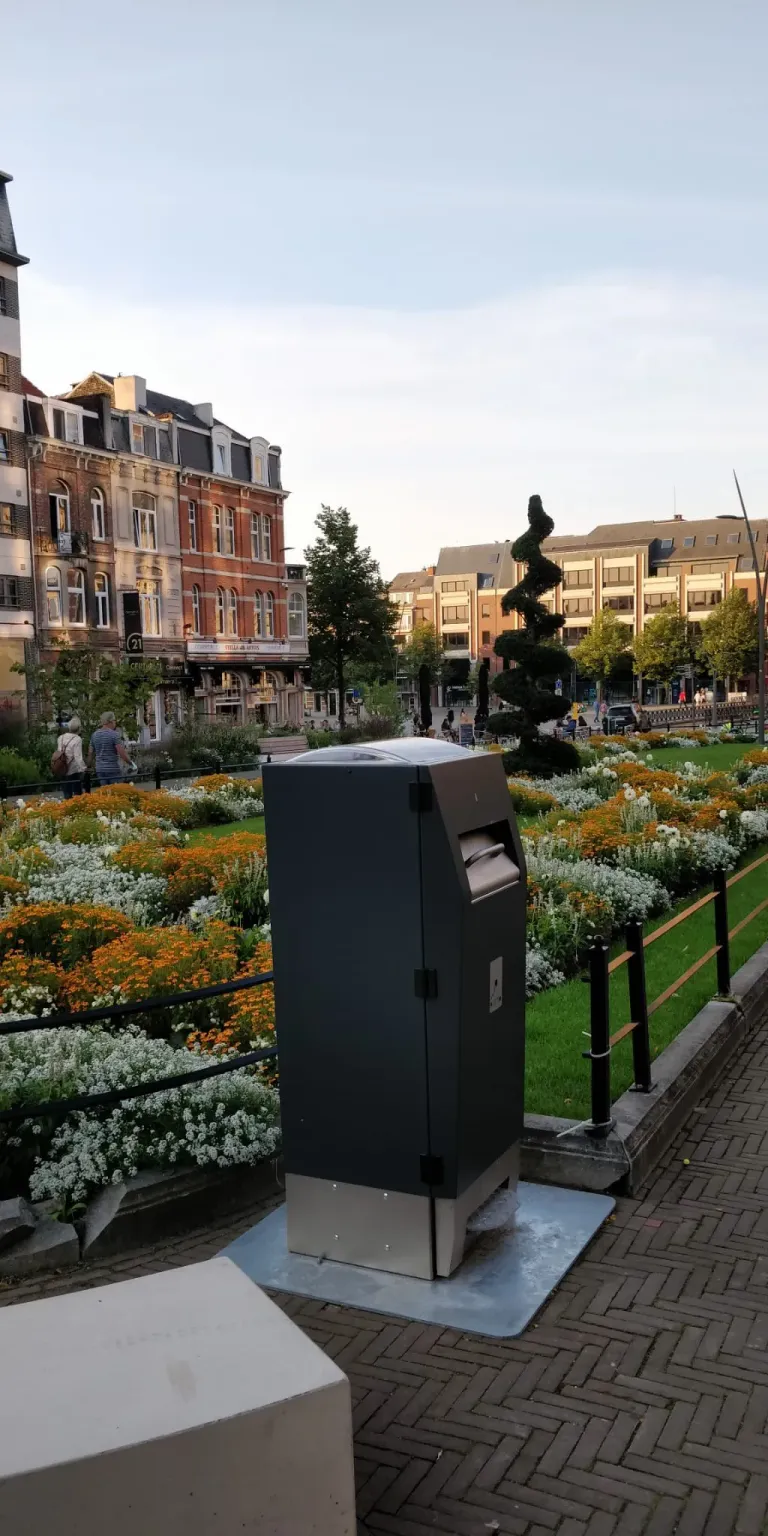
WasteMate 120
It combines an internal vertical press, solar power (outdoor configuration) and fill-level sensing that can connect to your litter-bin fleet platform.
Compacting litter bin
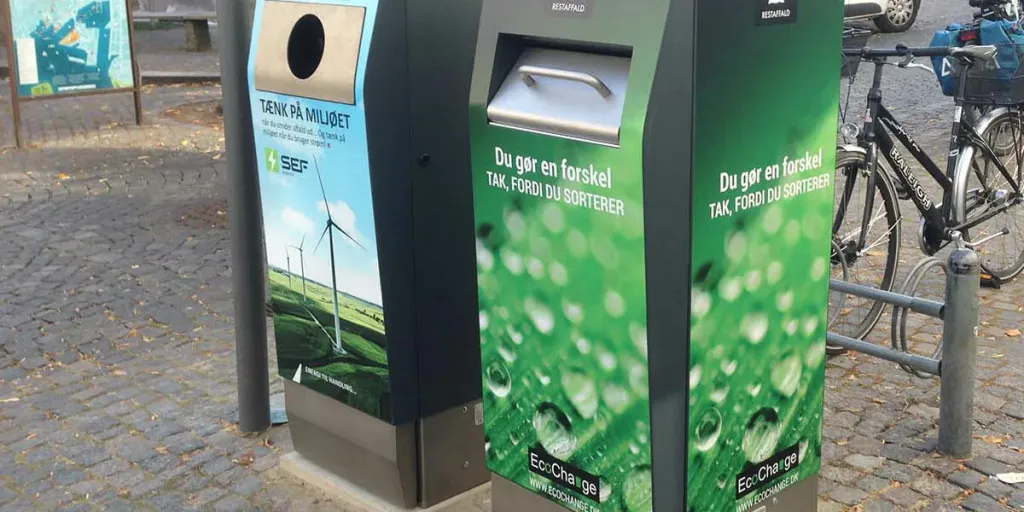
WasteMate 240
Like the 120 L model, it includes a vertical press, solar power (outdoor) and fill-level sensing with remote management.
Without press
WasteMate Basic
Basic keeps smart litter-bin connectivity and monitoring (where configured) without the internal compaction unit.


Answers for your project
What is the difference between 120 L and 240 L compacting bins?
Mainly nominal internal volume; both include a press. Choose from volumes collected, space and operations.
Does WasteMate Basic have a press?
No, optional fill sensor depending on configuration.
How do you choose a compaction ratio?
There is no single ratio for all waste types, use the producer datasheet and the conditions stated there.
Solar or socket power?
Solar when avoiding grid tie; mains indoor where solar is not practical, confirm availability for your build.
Can I add sensors to existing bins?
Often yes if compatible, sometimes better than replacing the whole fleet.