

Insights
Smart litter bins: what they are, how they work and the benefits they offer
What are smart litter bins and how do they work? Compaction, fill sensors and monitoring platforms for urban collection explained.
Smart litter bins are waste containers that integrate technology to improve collection, monitor fill levels and support emptying organisation. Depending on the model, they may use sensors, communication systems, cloud platforms and compaction mechanisms.
Unlike a traditional bin, a smart bin can report its status and, when fitted with a press, reduce the volume of collected waste.
These technologies are especially relevant for municipalities, waste operators and organisations managing many collection points in busy areas where fill levels can change through the day.
How do they work in practice? What is the difference between a compacting bin and a sensor-equipped container? And what benefits can they bring to day-to-day service management? This guide introduces the topic and links to deeper articles on how compacting litter bins work and fill-level sensors.
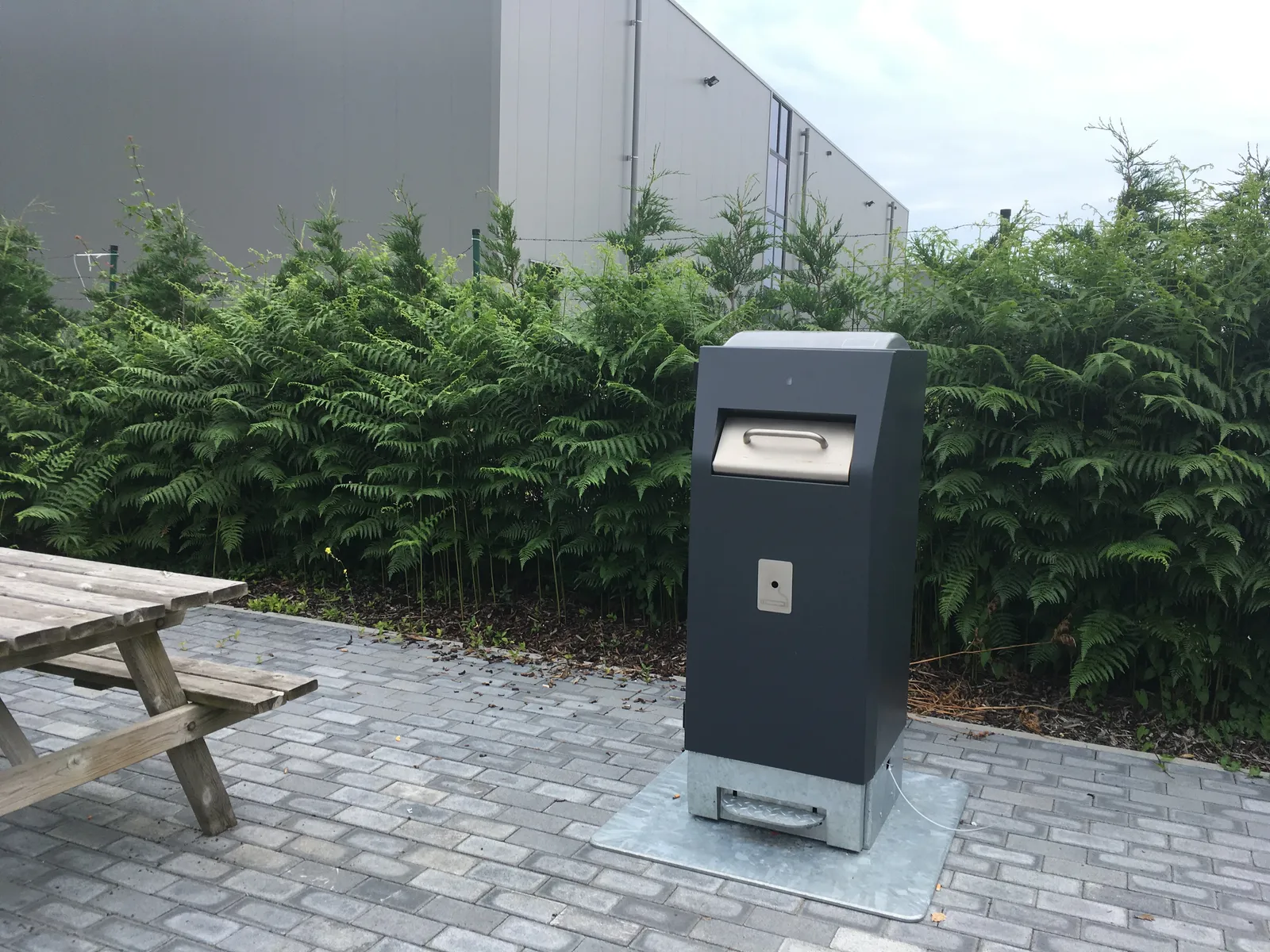
What are smart litter bins?
A smart litter bin, also called a smart bin, uses digital or mechanical technology to improve one or more stages of waste collection.
The term covers different solutions. Some bins have sensors that report fill level; others integrate a press to compact waste; the most complete models combine several functions connected to a monitoring platform.
Technology can address distinct needs:
- Monitor fill level to see which containers need attention.
- Increase effective capacity through compaction of compatible materials.
- Review data remotely without visiting every bin.
- Support planning using collected information to assess frequencies and emptying priorities.
The principle is straightforward: get clearer information on container status and, when needed, collect more waste before emptying.
How do smart litter bins work?
Operation depends on the technologies built into the model. In a monitored system, the process usually has four stages.
1. Waste deposit
Users deposit waste through the container opening. On compacting models, the system may also compress compatible materials to use available volume better.
2. Fill-level detection
A sensor measures how full the container is. Depending on the device, detection may use ultrasound or other measurement technology.
The sensor estimates occupied space inside the container, not necessarily the weight of the materials.
3. Data transmission
On connected systems, data is sent to a platform via the communication technology supported by the device.
Information may include fill level, location and other status data when configured.
4. Review and management
Operators access information through software, with maps, alerts and historical data according to available features.
They can identify points that need action and organise emptying based on the readings.
Fill sensors vs press: what is the difference?
Not all smart bins work the same way. Two main technologies matter when choosing a solution. For an operational comparison see compacting bins or fill sensors.
Fill-level sensors show container status. They are useful when you want to monitor existing bins and wheeled containers without necessarily replacing them.
An integrated press compacts compatible waste and uses container volume more effectively. It is especially relevant where bins fill quickly and need frequent emptying.
Both technologies can be combined in the same device.
| Solution | Main function | When to consider it |
|---|---|---|
| Sensor on container | Monitor fill level | When you need status on existing containers |
| Compacting litter bin | Reduce volume of compatible waste | When available capacity is the limit |
| Connected compacting bin | Combine compaction and monitoring | When you need both more capacity and fill data |
Software completes the system: it gathers information from compatible devices and makes it available for operational decisions.
What benefits do smart litter bins offer?
The benefit is not simply having a high-tech container, but improving a concrete part of the collection service.
Better visibility on collection points
Monitoring shows the status of connected containers remotely. You can spot those nearing saturation and areas that need more attention.
Better use of available capacity
On models with a press, compaction reduces the volume of compatible waste and can increase the amount collected between emptying rounds.
More informed planning
Fill data helps check whether collection frequencies match each point. You can assess changes to scheduling.
Fewer unnecessary checks
Checking fill level remotely can reduce visits made only to verify status.
Usage analysis over time
Historical data shows how fill patterns change and compares areas with different use, for example peak seasons or seasonal shifts.
These benefits are not automatic: they depend on the technology chosen, operating conditions and whether the service organisation can actually adapt.
Where are smart litter bins used?
They are used where waste volumes, container distribution or variable footfall make tighter control of collection useful.
Historic centres and squares — busy collection points where bins can fill quickly at certain times.
Parks and green areas — remote monitoring helps across spread-out routes without checking every bin on site.
Seafronts and tourist areas — seasonal footfall makes it useful to see how fill changes through the year.
Stations and transit areas — continuous flows; compaction can help where bin capacity is an operational limit.
Hotels, resorts and large private sites — monitoring supports common areas; compaction may suit points with compatible waste streams.
Always match the solution to waste types, installation conditions and operator needs.
CleanCityManager: turning data into useful information
A connected bin produces information that operators must be able to review and use.
CleanCityManager is the cloud platform used to monitor connected systems, including WasteMate smart bins and containers fitted with compatible sensors.
Depending on devices and configuration, the platform can:
- Show containers on a map with available location data.
- Monitor fill level to highlight points that need attention.
- Review alerts and events according to configured rules.
- Examine history and reports to analyse trends over time.
- Check available device status, such as power and battery data when provided.
This helps set priorities, review collection performance and support intervention planning.
The platform does not replace operator decisions and does not necessarily optimise routes automatically. Its value is making useful data available for more informed service organisation.
How to choose the right smart litter bin
Before choosing a model, define the problem you want to solve. The best fit depends on five factors.
1. How often bins fill — if some saturate quickly, decide whether you need more capacity or fill monitoring alone.
2. Waste types — compaction must suit the materials collected. Some fractions may be better served by a bin without a press, optionally with sensors.
3. Installation site — exposure, space, access and power options influence configuration.
4. Monitoring needs — which information you need and how you will use it; confirm devices and platform features.
5. Service organisation — who handles alerts, how interventions are planned and whether data can change current routines.
Before rolling out across a whole area, start at the most problematic points and review results. For public-sector projects, see smart bins for municipalities and waste managers for operational steps and measurement criteria.
Products that may fit your project
For projects like yours, many customers start with these WasteMate solutions. Compare capacity, use case and configurations before you get in touch.
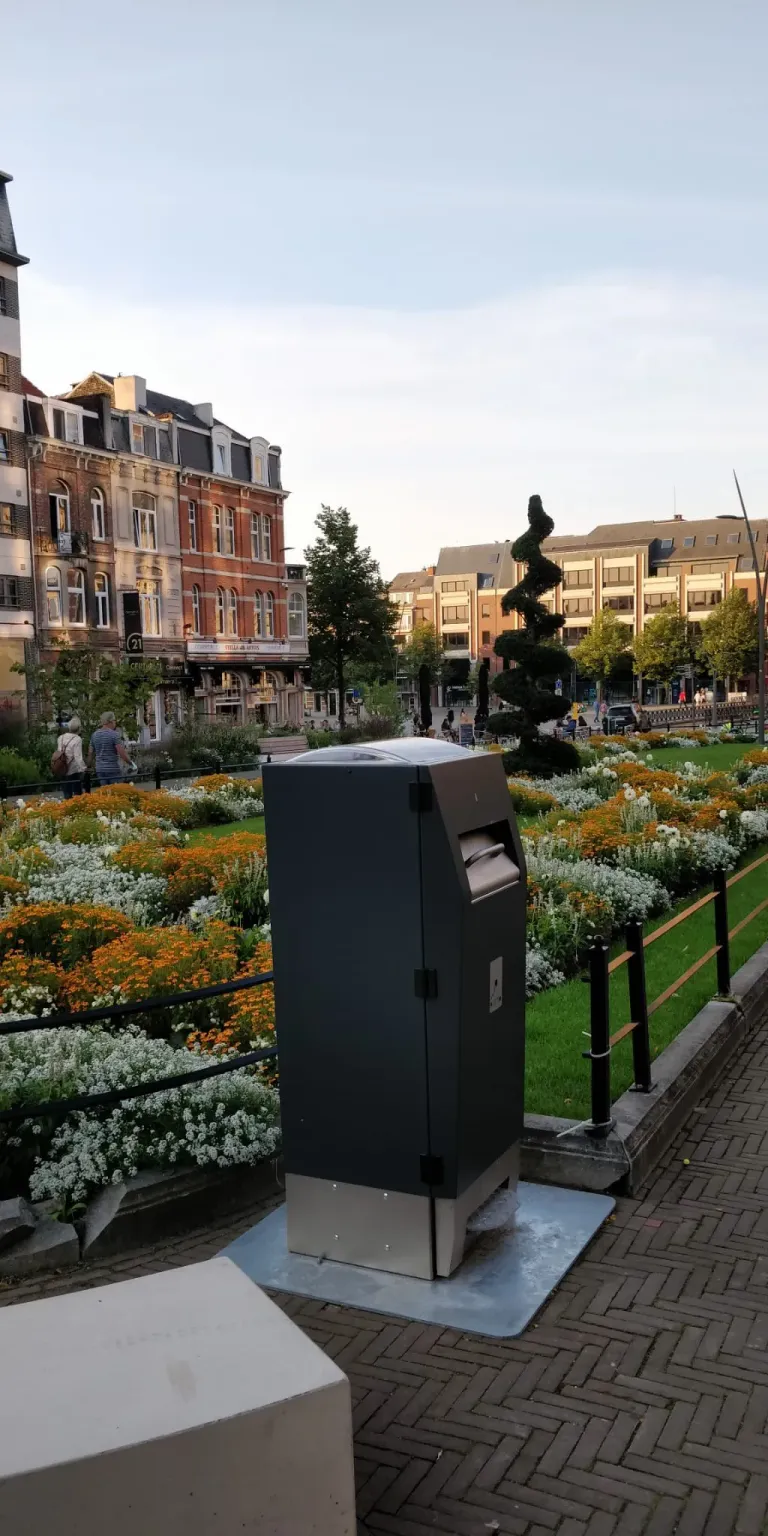
Compacting litter bin
WasteMate 240
Like the 120 L model, it includes a vertical press, solar power (outdoor) and fill-level sensing with remote management.
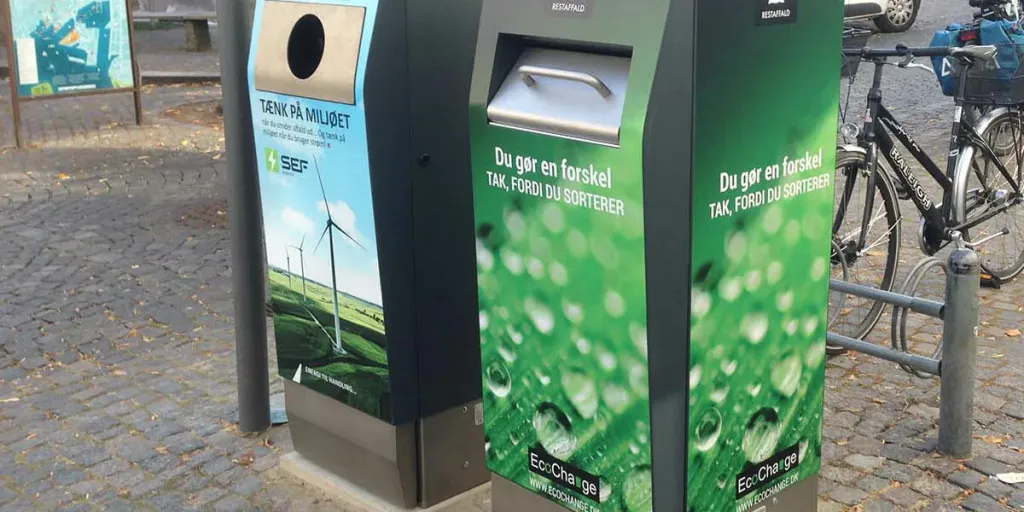
Without press
WasteMate Basic
Basic keeps smart litter-bin connectivity and monitoring (where configured) without the internal compaction unit.
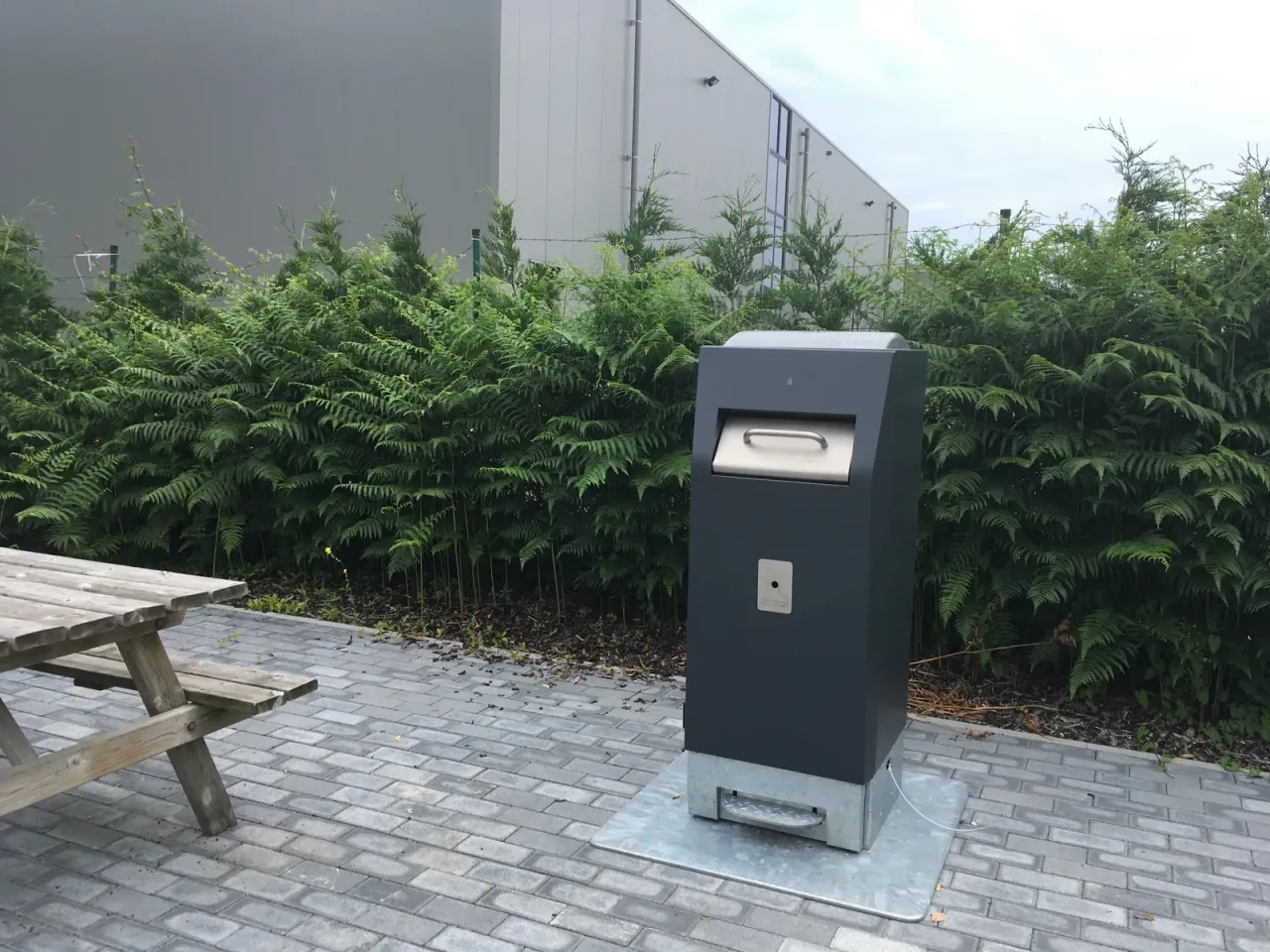
Compacting litter bin
WasteMate 120
It combines an internal vertical press, solar power (outdoor configuration) and fill-level sensing that can connect to your litter-bin fleet platform.


Answers for your project
What makes a bin “smart”?
A bin is smart when it integrates technology that improves collection or allows status monitoring. It may have sensors, platform connectivity, a press or a combination.
Do all smart bins compact waste?
No. Some models monitor fill without a press; others include compaction. Choice depends on application and materials collected.
How does a smart bin report fill level?
On connected models, a sensor reads the level and transmits data via the device’s connectivity. Information is available on the monitoring platform.
Do smart litter bins run on solar power?
Some outdoor models, including WasteMate configurations designed for outdoor use, use a photovoltaic panel and battery. Mains-powered options exist; choice depends on model and site.
Can an existing bin be made smart?
Often yes: sensors can be fitted to existing containers after compatibility checks, introducing monitoring without replacing the whole fleet.
Do smart bins save money?
They can reduce unnecessary emptying or use container capacity better. Actual savings depend on context, service costs and whether data changes operations.