

Insights
Compacting litter bins: what they are, how they work and their benefits
How do compacting litter bins work? Learn how the press operates, which waste it can compress and benefits for urban collection.
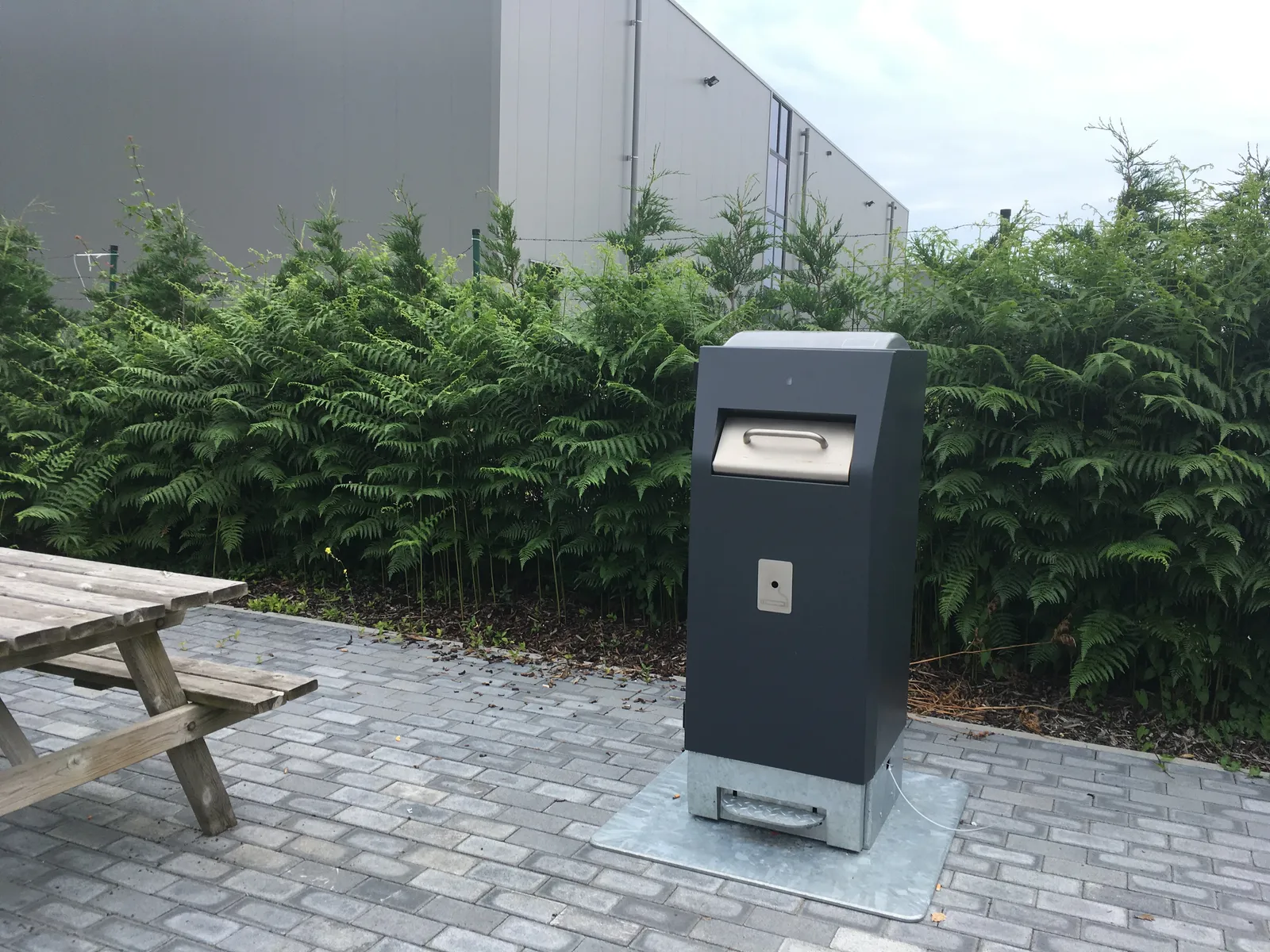
Compacting litter bins use an internal press to reduce the volume of deposited waste, using available space more effectively before emptying.
They suit points that fill quickly — squares, historic centres, parks, seafronts and busy areas — where compaction can hold more waste between visits and may reduce emptying frequency.
Advanced models add fill sensors and remote monitoring. For digital technologies see smart litter bins; for vs conventional bins see compacting vs traditional.
What are compacting litter bins?
A compacting bin integrates a mechanism that compresses waste to free space for further deposits — especially useful for on-street litter: light packaging, cups and wrappers that take volume without much weight.
Smart models pair compaction with sensors and platforms to plan emptying better.
How does the press work?
A press applies force to waste in the container. On WasteMate compacting models, a linear electric press is used.
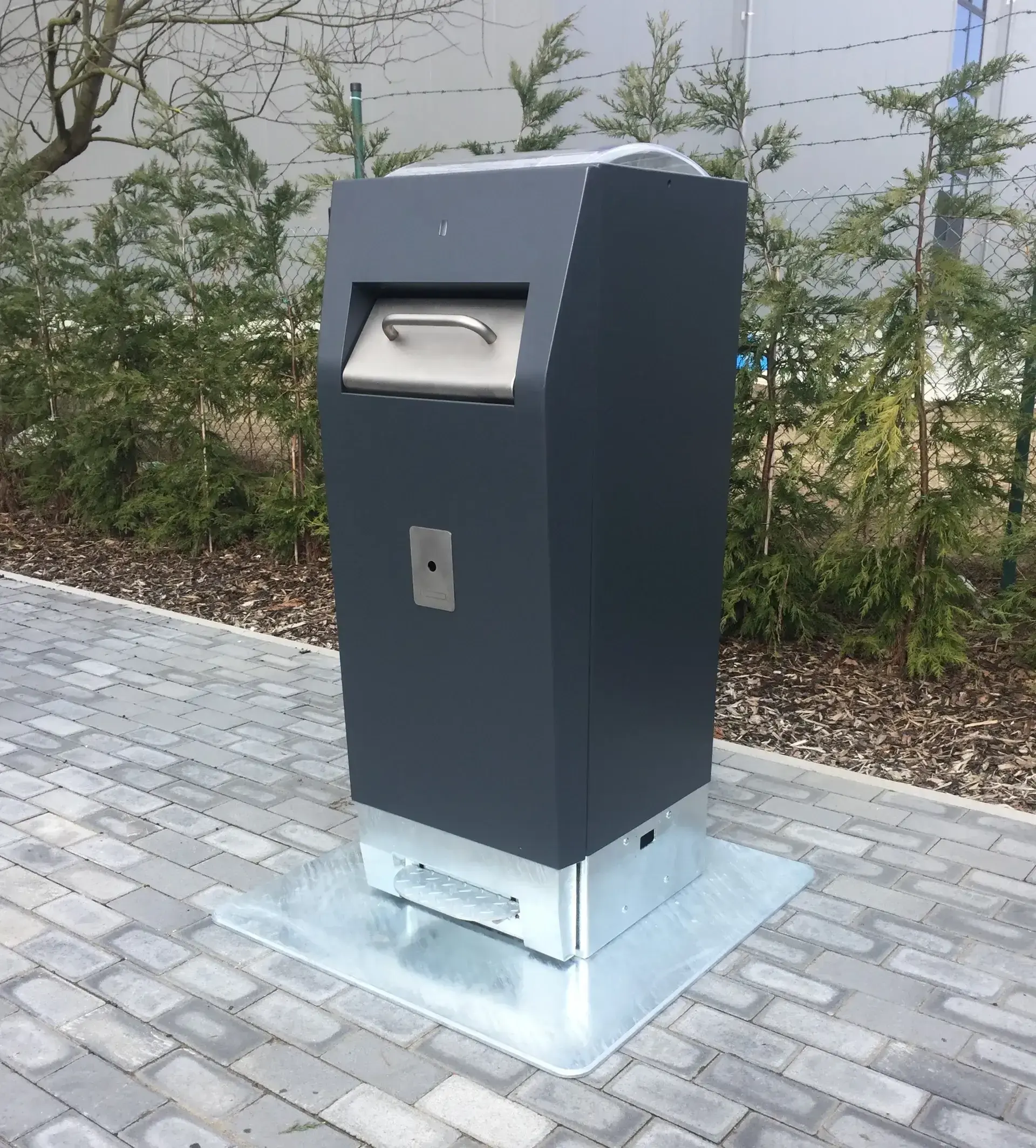
- Deposit through the opening.
- Press activation per the model’s cycle.
- Volume reduction for compatible materials.
- More free space until emptying is needed.
For press, sensors and platform in detail see how smart compacting bins work.
How much waste can they hold?
Distinguish nominal container volume from total waste collected over time with compaction. A 120 L liner stays 120 L nominal; the press lets you accumulate more compatible material before emptying. Ratios vary by waste type — check manufacturer data for your fractions.
Which waste can be compacted?
- Light plastics and packaging — often suitable, model-dependent.
- Cups and wrappers — good volume savings if compatible.
- Paper and cardboard — assess size and stream.
- Glass and rigid items — not automatically suitable; verify specs.
- Organics and special fractions — case-by-case.
Compaction does not replace separate collection.
When press meets monitoring
Compaction does not show when to empty. Sensors send fill data to platforms such as CleanCityManager on connected WasteMate models. Press adds capacity; monitoring shows when to act.
Benefits
Higher effective capacity, possible fewer emptyings at hot spots, better peak management, planning support with remote data, flexibility where footprint is tight. Savings are site-specific, not guaranteed everywhere.
Where to install
Historic centres, parks, seafronts, stations, events, hotel outdoor areas — start where capacity is the real bottleneck.
Power and maintenance
The press needs power; sensors and comms add load. Outdoor WasteMate configs may use solar and battery — see solar or electric power. Plan site access, cleaning, spares and safety during emptying.
WasteMate range
WasteMate 120 (120 L), 240 (240 L) with press and fill monitoring; Basic without press. See how to choose a compacting bin.
Products that may fit your project
For projects like yours, many customers start with these WasteMate solutions. Compare capacity, use case and configurations before you get in touch.
Compacting litter bin
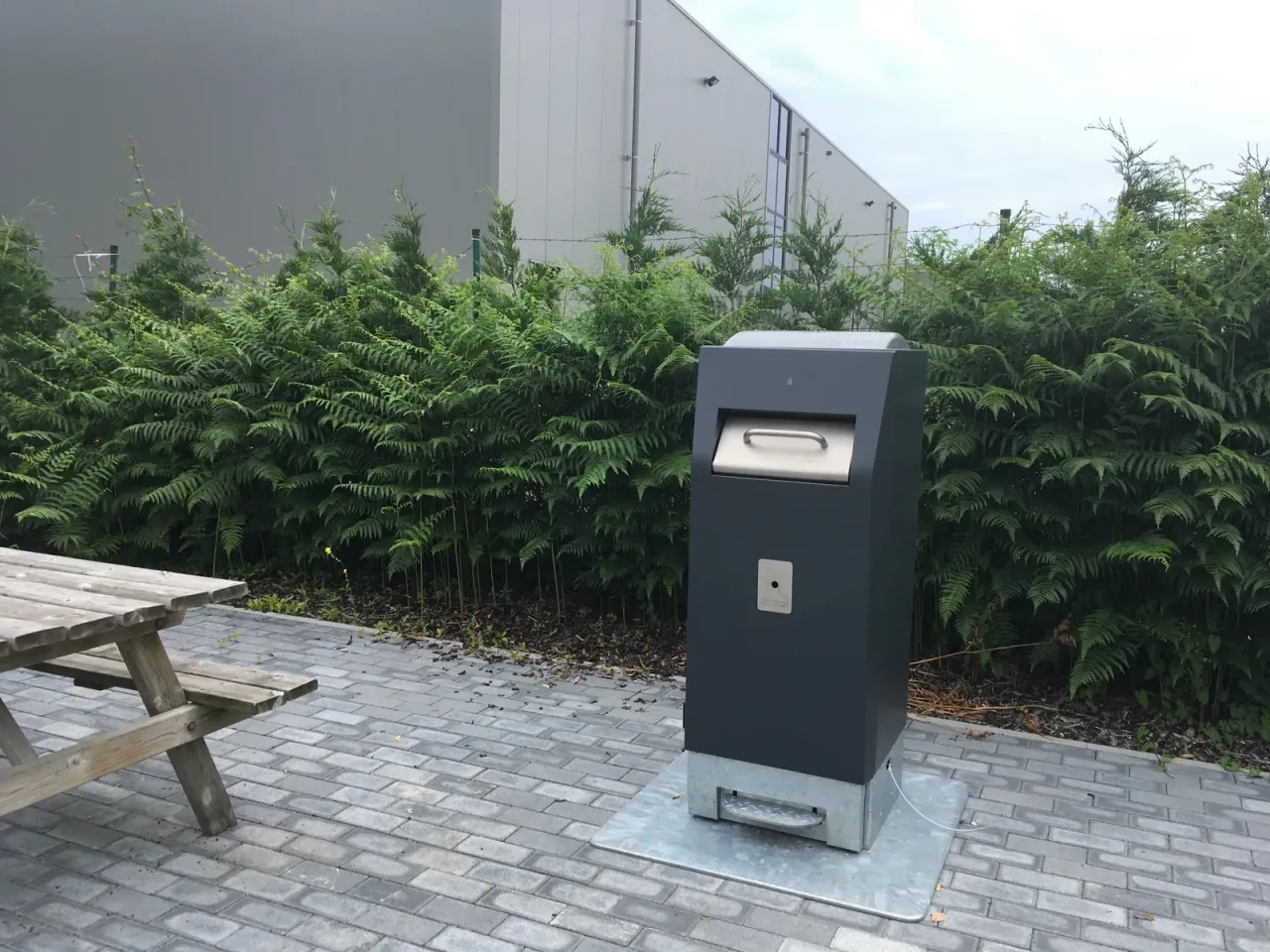
WasteMate 120
It combines an internal vertical press, solar power (outdoor configuration) and fill-level sensing that can connect to your litter-bin fleet platform.
Compacting litter bin
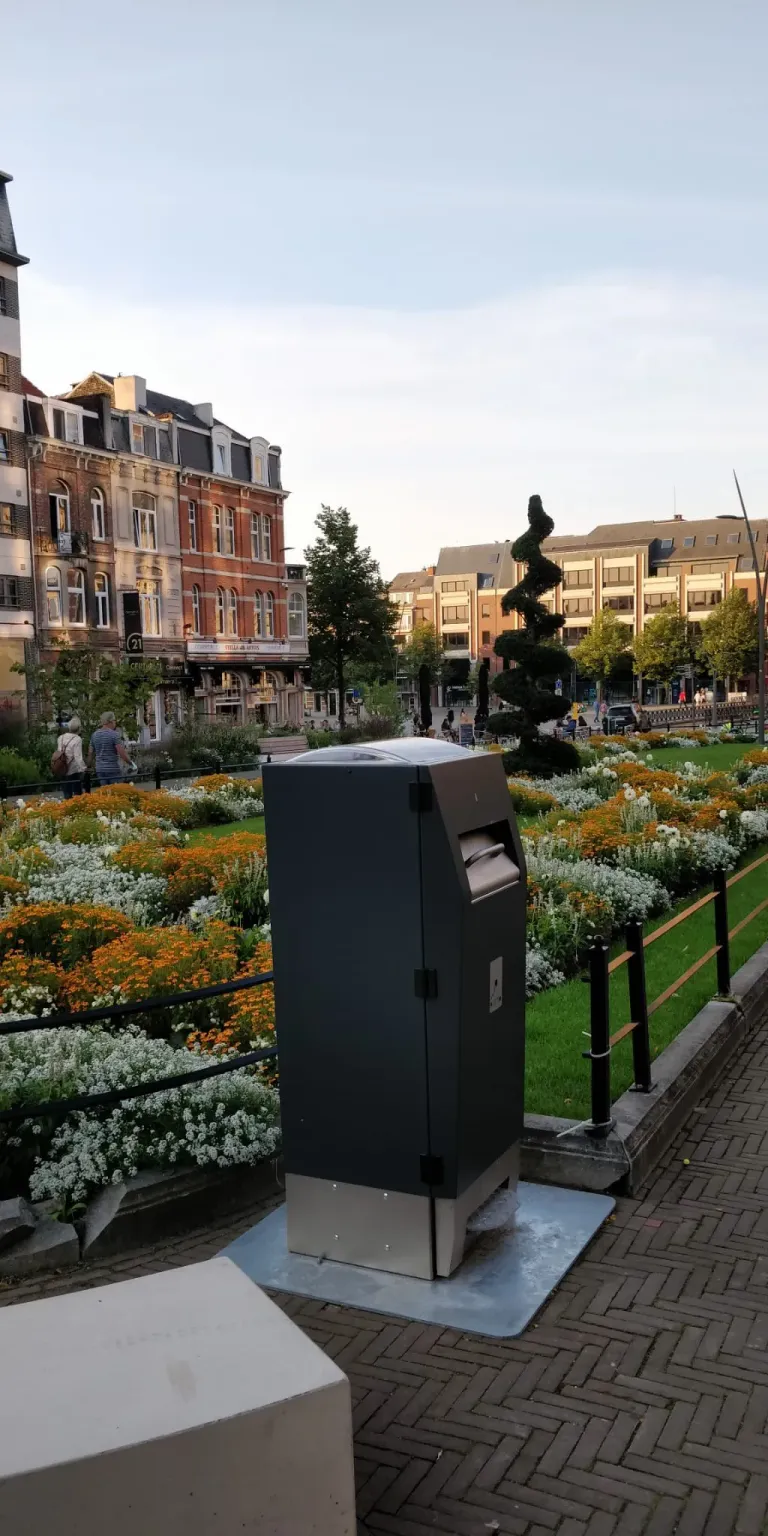
WasteMate 240
Like the 120 L model, it includes a vertical press, solar power (outdoor) and fill-level sensing with remote management.
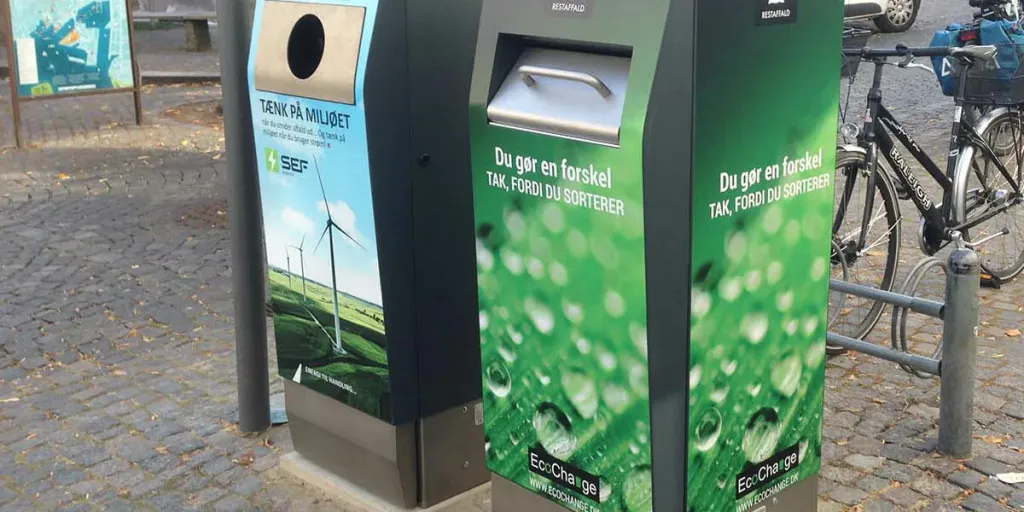
Without press
WasteMate Basic
Basic keeps smart litter-bin connectivity and monitoring (where configured) without the internal compaction unit.


Answers for your project
How does compaction work?
An integrated press compresses compatible waste so more material fits before emptying.
Compaction ratio?
Model and waste dependent — use technical documentation.
Solar power?
Some outdoor WasteMate versions use PV and battery; check each configuration.
Need sensors?
Press and sensor are different; you can compact without remote monitoring.
All waste types?
No — follow producer guidance for your fraction.
Always lower costs?
Not necessarily; depends on footfall, operations and whether service changes.