
Insights
Which power supply to choose for indoor and outdoor compacting bins
Solar or mains-powered compacting bin? Differences between outdoor and indoor WasteMate, benefits and what to check before installation.
Smart compacting bins need power for the press, sensors and communications, but not every site needs a mains connection.
Solar compactors use a photovoltaic panel and integrated battery. Mains-powered variants suit locations where solar cannot be used effectively.
This article covers power only. For capacity, press and models see how to choose a compacting bin; for overall operation see how smart compacting bins work.
How solar power works

Energy runs the press, sensors, connectivity and electronics. The battery supplies power when the panel is not producing. WasteMate 120 and 240 manufacturer docs describe outdoor solar setups, confirm on your quote. Bunder pages: 120, 240.
Solar benefits
No mains for ordinary operation where conditions allow; stored energy; more freedom on siting, still subject to exposure, shade and site rules. Main gain: collection points without new grid work.
When mains power
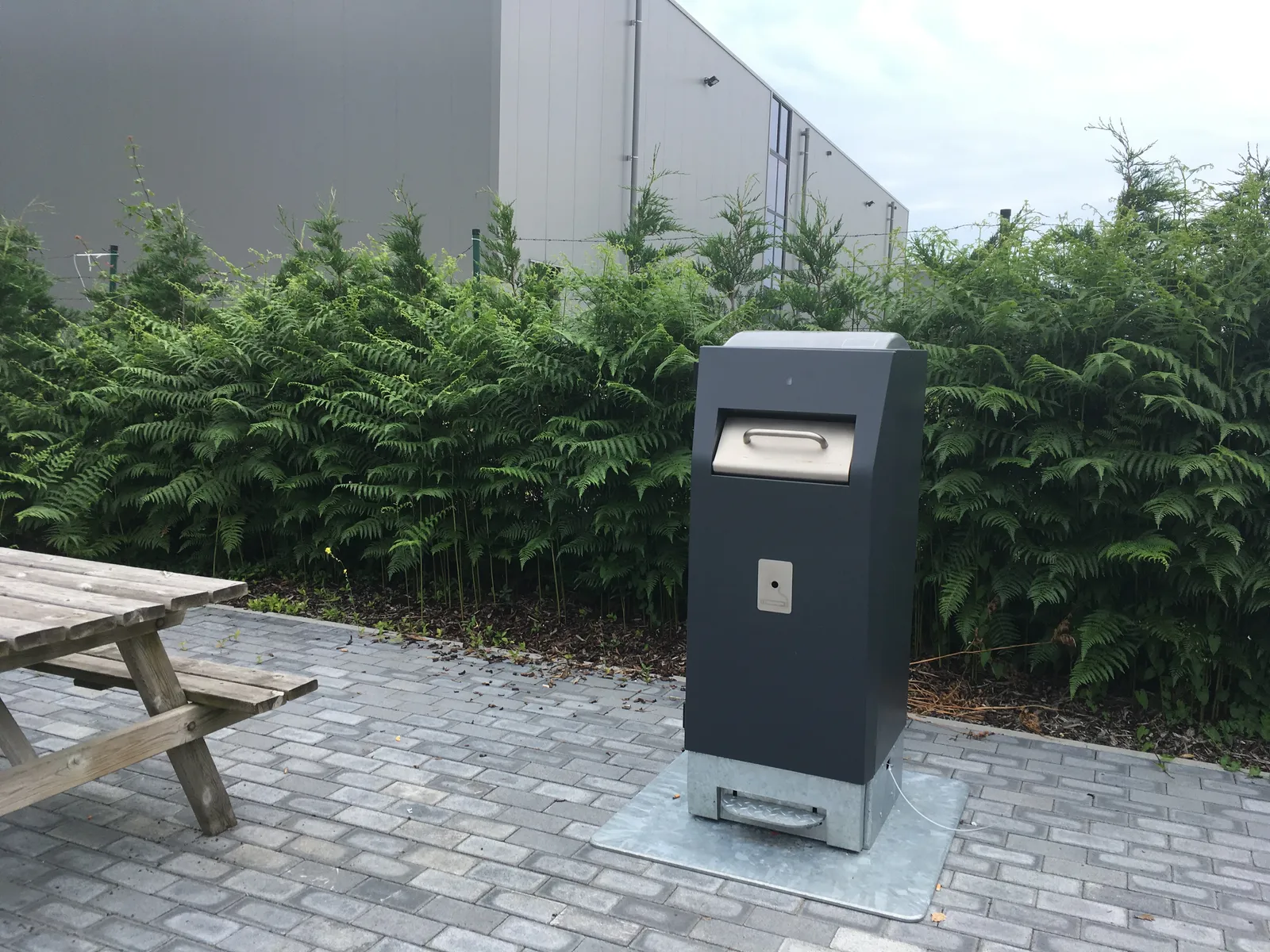
Low light, accessible socket, indoor variant without panel, when offered for your model. Functions (press, monitoring) stay model-dependent; only the power path changes. See WasteMate applications (solar or ~220 V mains); confirm orderable SKUs with Bunder.
Comparison table
| Topic | Solar | Mains |
|---|---|---|
| Source | PV + battery | Socket |
| Grid tie | Not required for normal use | Required |
| Panel | Yes | No on indoor variant |
| Light | Must support recharge | Not needed to run |
| Check | Real energy balance | Supply spec and safety |
Power choice does not by itself change compaction performance, verify specs per configuration.
Light, battery, monitoring
Assess exposure, seasonality, usage intensity and electronics load before outdoor solar. Battery: type, stated autonomy, maintenance, replacement, no universal runtime claim. Monitoring via CleanCityManager depends on model/connectivity, not solar vs mains alone. Separate power, capacity and monitoring in your decision.
Four checks before you order
Site and sun; mains availability; expected throughput; supplier-confirmed solar vs electric SKUs.
Products that may fit your project
For projects like yours, many customers start with these WasteMate solutions. Compare capacity, use case and configurations before you get in touch.
Compacting litter bin
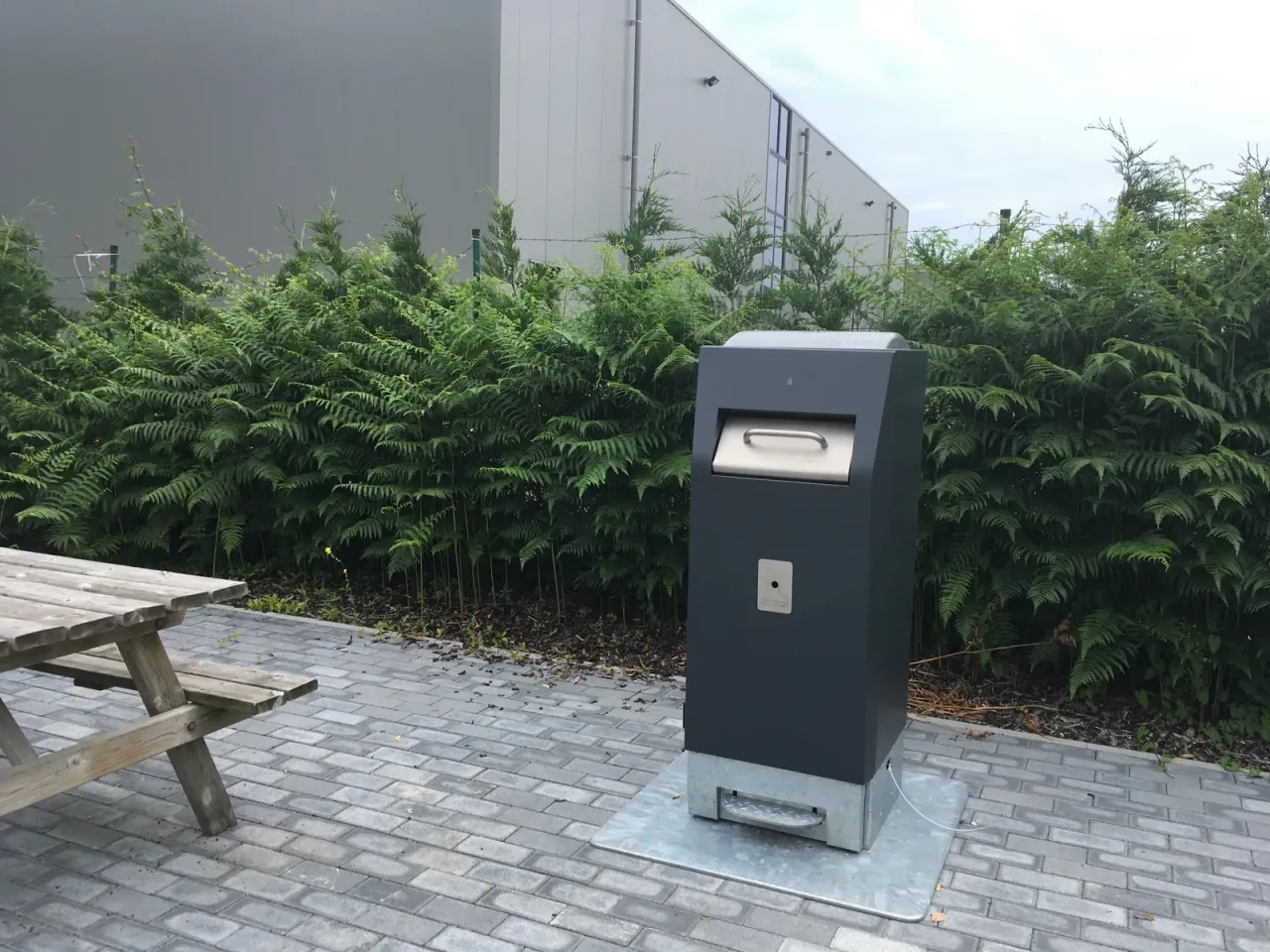
WasteMate 120
It combines an internal vertical press, solar power (outdoor configuration) and fill-level sensing that can connect to your litter-bin fleet platform.
Compacting litter bin
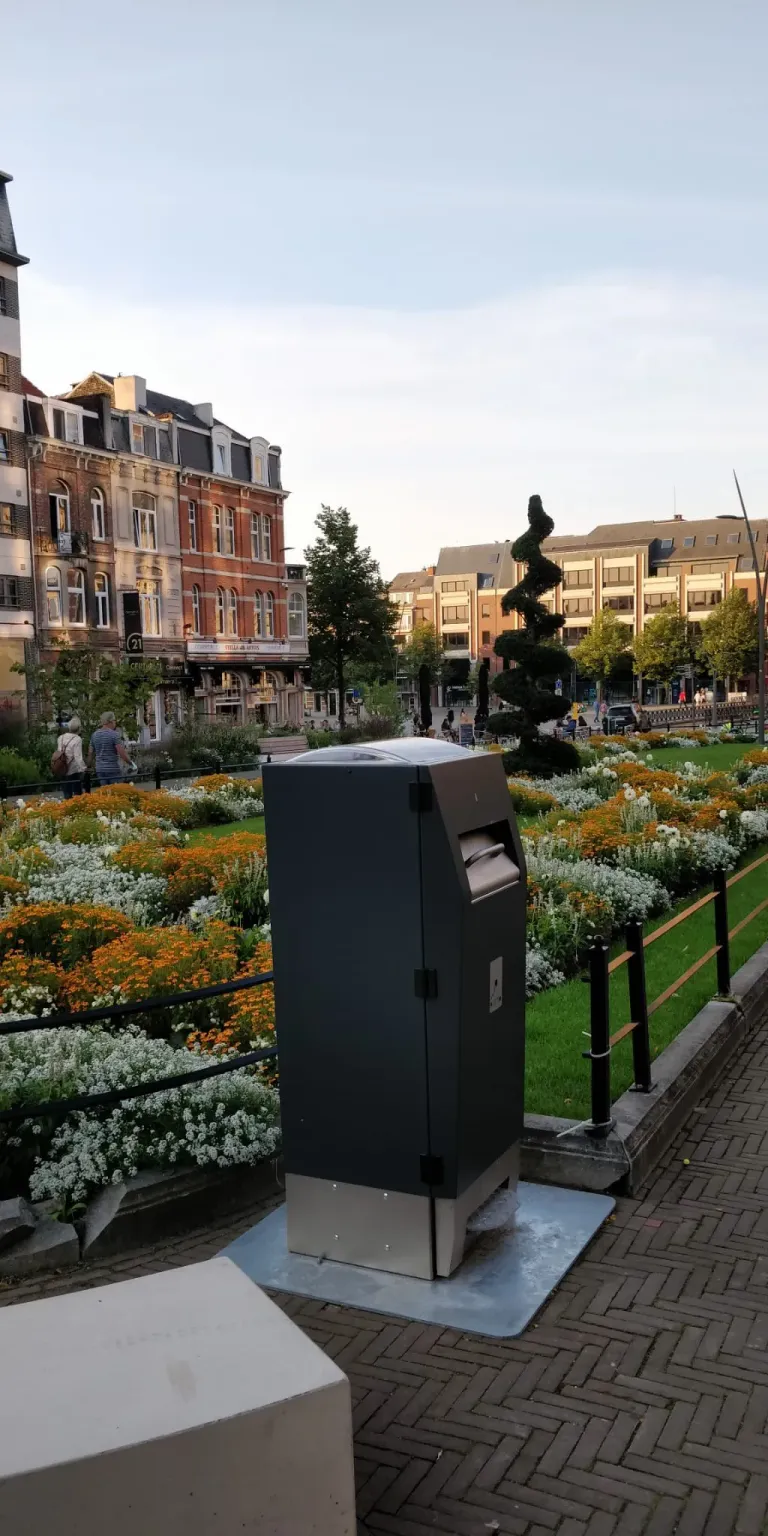
WasteMate 240
Like the 120 L model, it includes a vertical press, solar power (outdoor) and fill-level sensing with remote management.
Without press
WasteMate Basic
Basic keeps smart litter-bin connectivity and monitoring (where configured) without the internal compaction unit.


Answers for your project
At night?
Yes, from battery when charged.
Mains required on solar outdoor?
Not for normal outdoor PV+battery operation if energy conditions are met.
Without solar panel?
Mains variants exist, confirm model.
Indoor vs outdoor?
Mainly siting and power: PV+battery vs socket, no panel on indoor variant.
Battery life?
Distinguish runtime from component service life, see manufacturer data.
Compaction on mains?
Not inherently reduced, check press and model specs.