

Insights
Why is a smart compacting bin better than a traditional one?
Smart compacting bin or traditional? Compare capacity, emptying, monitoring and operational benefits to choose the right fit.
A traditional litter bin collects waste until available space runs out. A smart compacting bin adds two capabilities: a press that reduces the volume of compatible waste and monitoring that shows fill level remotely.
The difference is not just the container, but how the collection service is organised.
In squares, historic centres, parks, seafronts and busy areas, a traditional bin may need emptying often, even several times a day. A compacting model can hold more waste between visits, while monitoring highlights points that need attention.
That does not mean a smart bin is always the better choice. Value depends on how fast bins fill, waste types, service organisation and site conditions. For an overview of technologies see smart litter bins; for costs and benefits see when compacting bins make sense.
How does a traditional bin work?
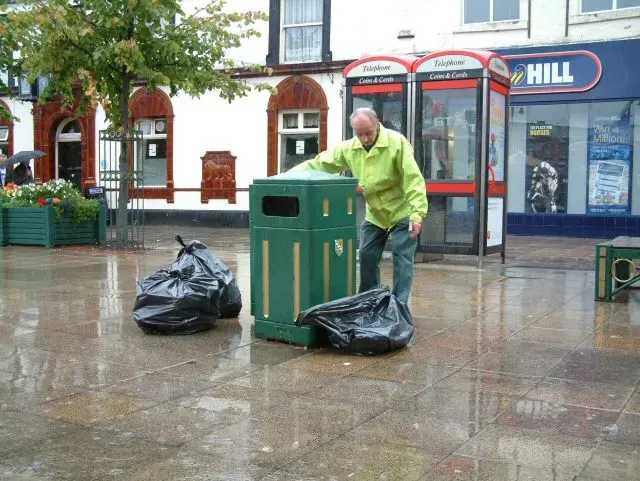
Users deposit waste and it gradually fills the container. When full, it must be emptied. Without sensors, emptying is usually planned by on-site checks or fixed schedules.
That works when capacity is adequate and use is fairly stable.
Problems appear where footfall varies: one bin fills quickly at certain times while another nearby stays half empty. Operators must balance emptying frequency against the risk of overflow before the next visit.
What changes with a smart compacting bin?
The press increases usable space
The press compacts compatible waste so more material fits before emptying, especially with light packaging and other compressible fractions. Results depend on waste type, device configuration and operating conditions.
Sensors monitor fill level
On connected models, fill data goes to a monitoring platform so operators can spot bins nearing saturation and compare needs across points.
The platform makes data actionable
Maps, alerts and history (where available) help set priorities and check whether emptying frequencies match real demand.
In short: the press collects more material; monitoring shows when to act.
Traditional vs smart compacting bin
| Aspect | Traditional bin | Smart compacting bin |
|---|---|---|
| Capacity | Limited to nominal volume | Higher effective capacity via compaction |
| Remote monitoring | Usually none | Available on connected models |
| Emptying planning | Schedules and field checks | Can use fill data |
| Emptying frequency | Depends on volume collected | May drop where compaction fits |
| Installation | Generally simple | Needs space, access and site checks |
| Digital management | No platform required | May need connectivity and platform |
| Upfront investment | Usually lower | Usually higher |
| Best fit | Low, predictable demand | Frequent fill and need for monitoring |
When is a smart compacting bin worth it?
Rapidly filling points
Frequent emptying often signals insufficient capacity; compaction can increase material between visits if fractions are compatible.
High-footfall areas
Squares, promenades and tourist zones benefit from more capacity plus fill information when demand shifts quickly.
Busy collection rounds
Higher effective capacity at key points can reduce stops; monitoring avoids relying only on fixed frequencies. Savings must be checked on the whole route.
Better fleet visibility
Connected systems build usage history to find hot spots, relocations and where to add capacity or change schedules.
When is a traditional bin enough?
Low volumes and adequate schedules suit conventional containers, especially in quiet or stable areas where staff already pass regularly.
If waste is not suitable for compaction, a conventional bin or a non-pressing smart model may be better.
- Does the bin fill too fast?
- Could checks or emptying be organised differently?
- Would fill data improve operational decisions?
If all three are no, staying traditional can be right.
Impact on collection organisation
Benefits span the process, not just one emptying. Compare before and after: emptyings per bin, overflow events, crew time, kilometres where measured, and running costs. Do not assume a fixed savings percentage for every city.
WasteMate: compaction and monitoring together
Bunder offers smart compacting bins such as WasteMate 120 and WasteMate 240 with integrated press and fill monitoring. Outdoor setups may use solar and battery. CleanCityManager supports connected devices. See how to choose a compacting bin for capacity, press, sensors and power.
You do not need to replace every traditional bin; many projects mix compactors at critical points with conventional bins or sensors elsewhere.
Products that may fit your project
For projects like yours, many customers start with these WasteMate solutions. Compare capacity, use case and configurations before you get in touch.
Without press
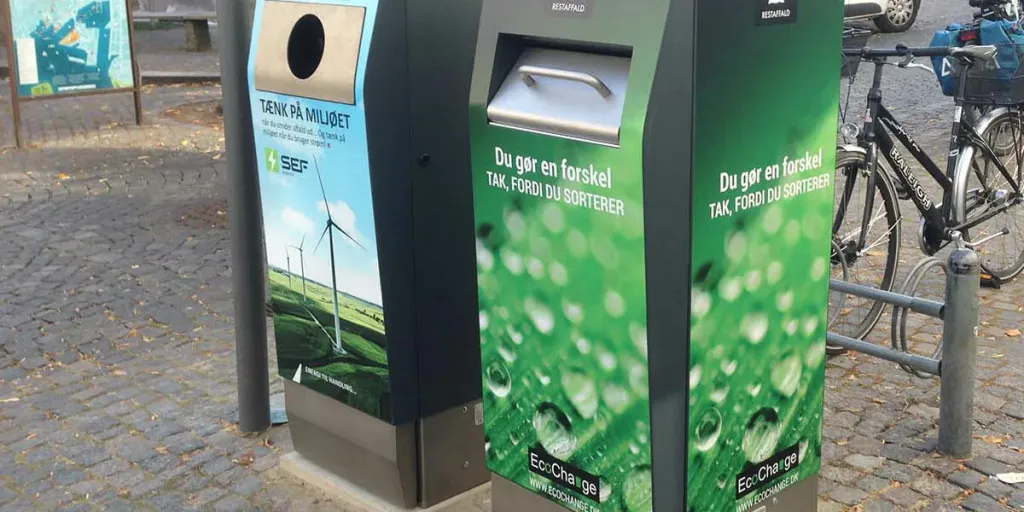
WasteMate Basic
Basic keeps smart litter-bin connectivity and monitoring (where configured) without the internal compaction unit.
Compacting litter bin
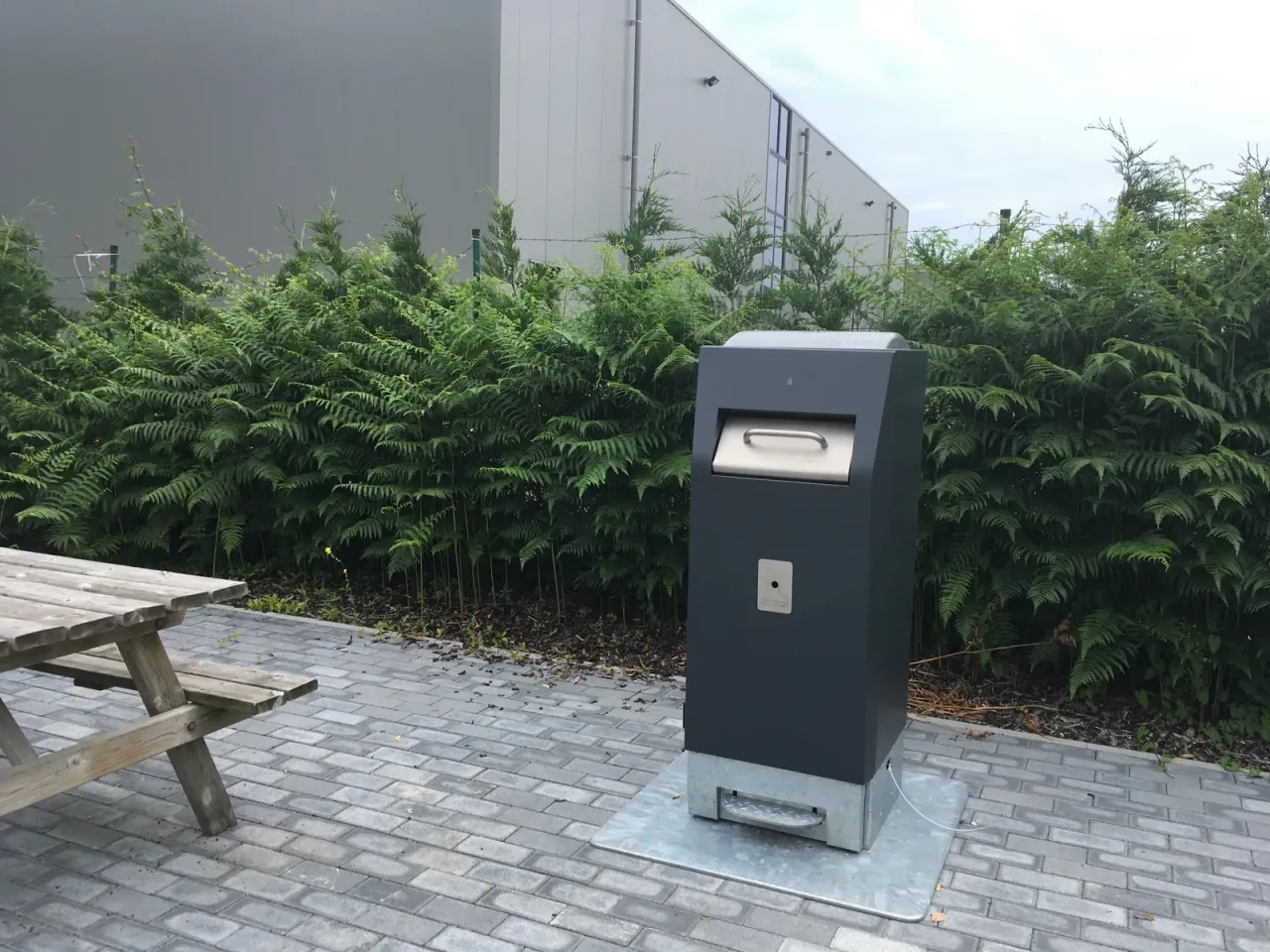
WasteMate 120
It combines an internal vertical press, solar power (outdoor configuration) and fill-level sensing that can connect to your litter-bin fleet platform.
Compacting litter bin
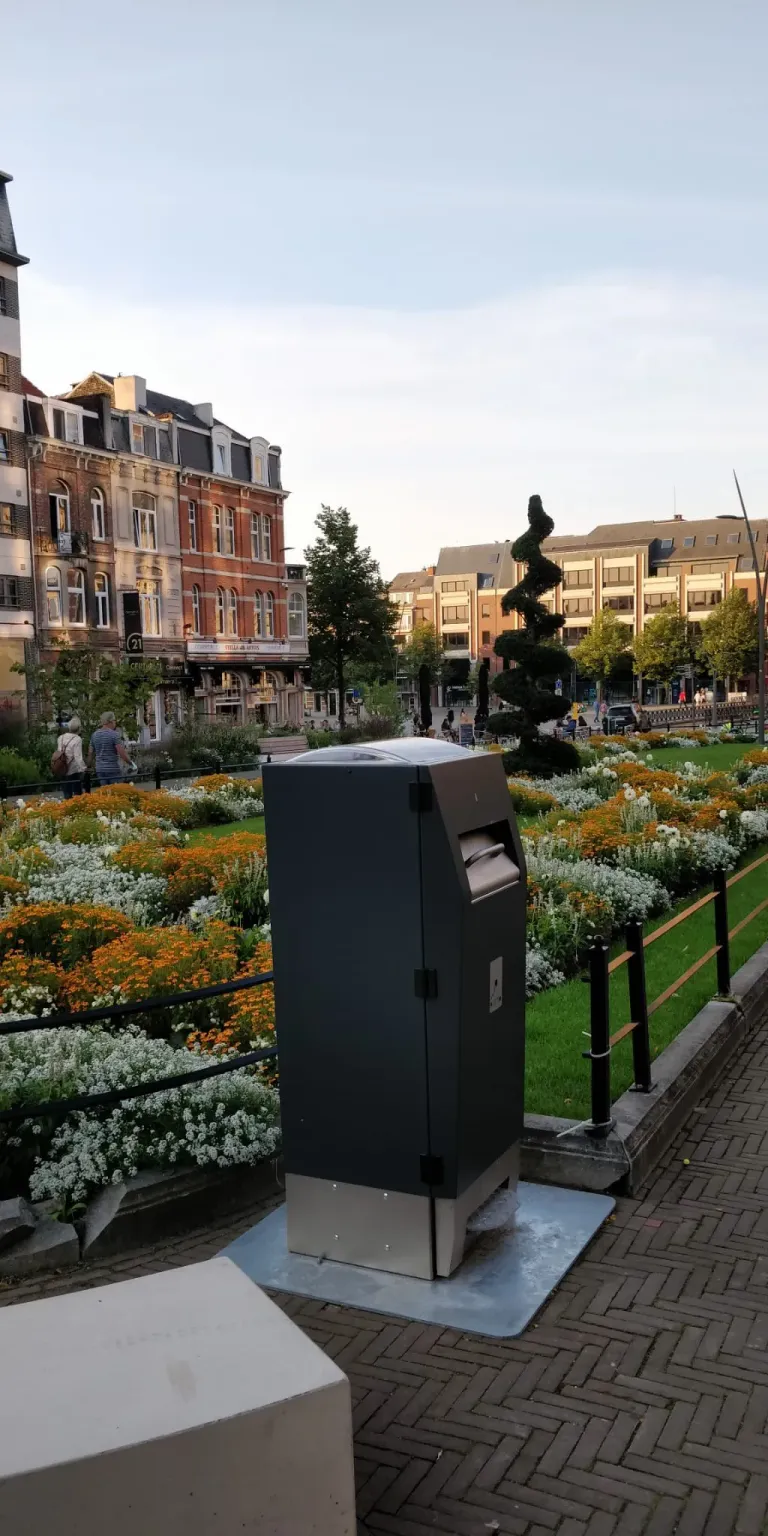
WasteMate 240
Like the 120 L model, it includes a vertical press, solar power (outdoor) and fill-level sensing with remote management.


Answers for your project
Smart vs traditional?
Traditional bins fill until full. Smart compacting bins can compress compatible waste and report fill level when monitored.
Fewer emptyings?
Possibly, because the press holds more between visits; depends on materials, footfall and use.
Do all smart bins have a press?
No. Some monitor only; others include compaction. Sensor-only options exist.
Always more cost-effective?
No. Best where fill is frequent and operations are costly; traditional bins can suit low-use points.
Replace every municipal bin?
No. Mixed fleets are common: compactors at critical points, traditional equipment elsewhere.