

Insights
How to optimize collection in historic centres, squares and busy areas
Compacting bins for historic centres, squares and seafronts: choose capacity, power and monitoring for on-street collection.
A historic square, a busy seafront and a station can share the same issue (bins that fill fast and need frequent emptying) but collection conditions are very different.
In historic centres, footprint and vehicle access matter. On seafronts, seasonal peaks dominate. At stations and busy hubs, waste volumes can swing within a single day.
Smart compacting bins increase effective capacity through an integrated press; fill sensors add remote visibility. Choose locations from the place and the service, not from a generic catalogue. The WasteMate range (press, solar power and CleanCityManager monitoring per the manufacturer) must still be matched to the model and site.
Historic centres: capacity where space is tight

Check footprint, collection access, volumes, emptying frequency and urban fit, plus any conservation rules. The right bin balances capacity and operations, not always the largest nominal volume.
Squares and pedestrian areas
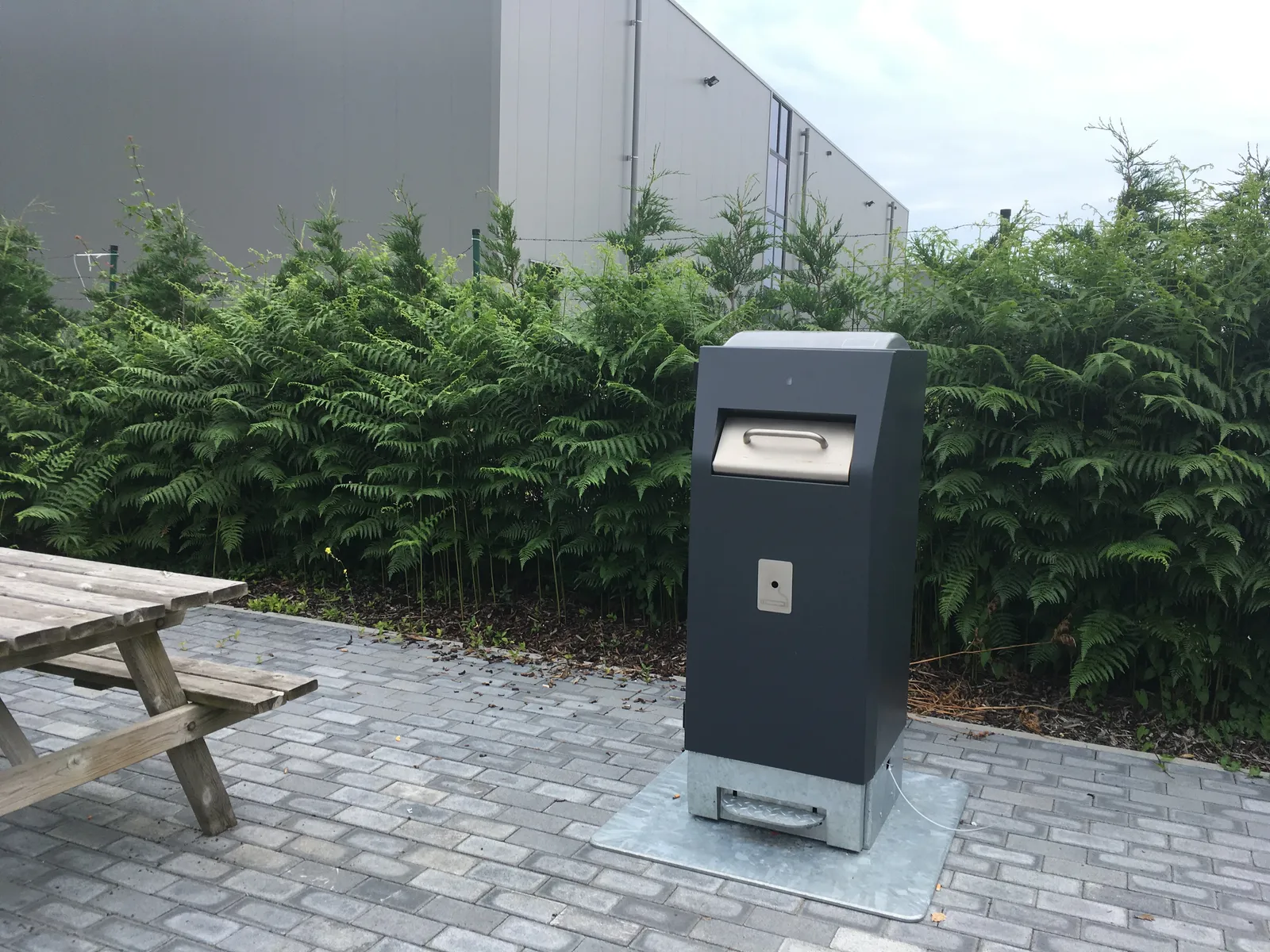
Events and trading hours drive rapid fill changes. Compaction and fill monitoring help; placement matters as much as per-bin capacity.
Seafronts and resorts

Plan for seasonality, catering, bin spacing, emptying patterns and coastal materials/maintenance needs.
Stations and transport hubs
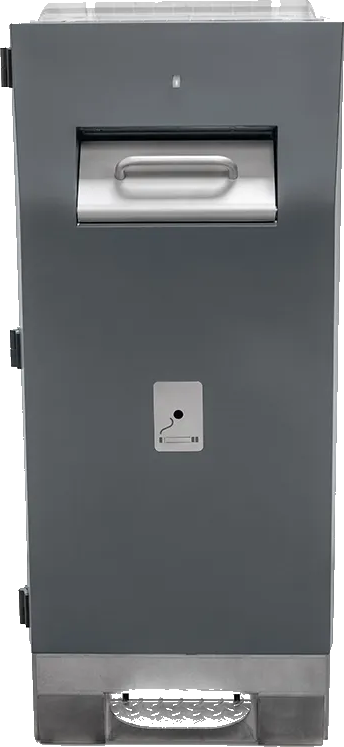
High flows near entrances and concessions need capacity plus monitoring. Confirm operator rules, emptying procedures and indoor mains-powered variants where solar is not viable.
Large public spaces
Mix compactors at saturation hotspots, non-pressing bins where fractions or volumes suit, and sensors on compatible existing stock. See planning a smart bin project and compactors or fill sensors.
Which model per context?
| Context | Main need | Configuration to review |
|---|---|---|
| Historic centre | Capacity, limited footprint | WasteMate 120 |
| Pedestrian square | Fill peaks | 120 or 240 |
| Seafront | Capacity + seasonal monitoring | 120 or 240 |
| Station | High flows | 240 where compatible |
| Large park | Varied points | WasteMate, Basic, sensors |
Orientation only, confirm waste types, power and service rules. Technical comparison: how to choose a compacting bin. Basic is without press; 120 L nominal capacity per documented standard.
Power and installation

Outdoor photovoltaic + battery; indoor mains where solar is unsuitable. Check exposure, clearance, operator access, connectivity and permits.
Where to install first
Use emptying frequency, saturation points and area traits to separate capacity needs from monitoring-only cases. See measuring on-street collection efficiency. Start with critical sites before city-wide rollout.
Products that may fit your project
For projects like yours, many customers start with these WasteMate solutions. Compare capacity, use case and configurations before you get in touch.
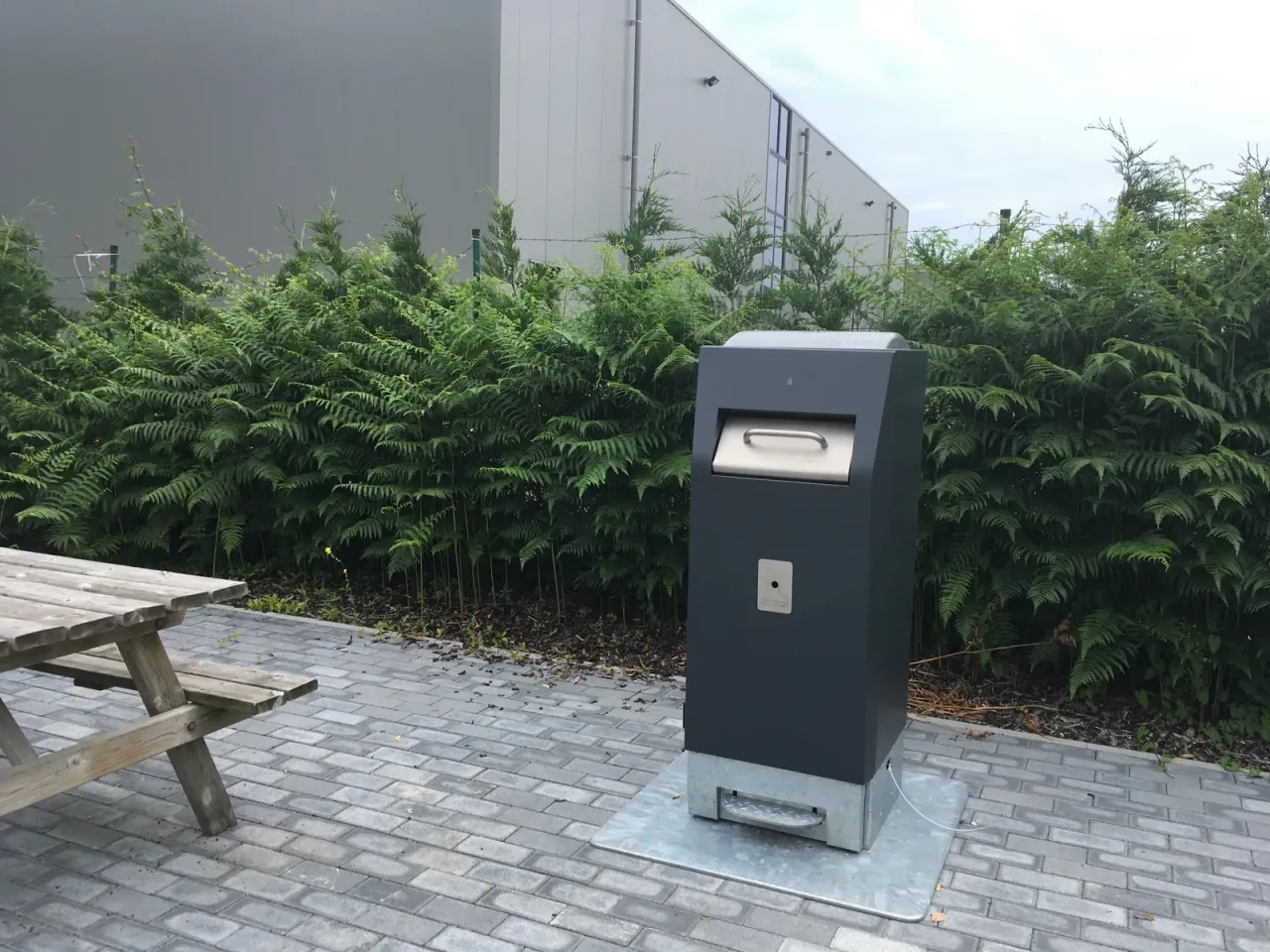
Compacting litter bin
WasteMate 120
It combines an internal vertical press, solar power (outdoor configuration) and fill-level sensing that can connect to your litter-bin fleet platform.
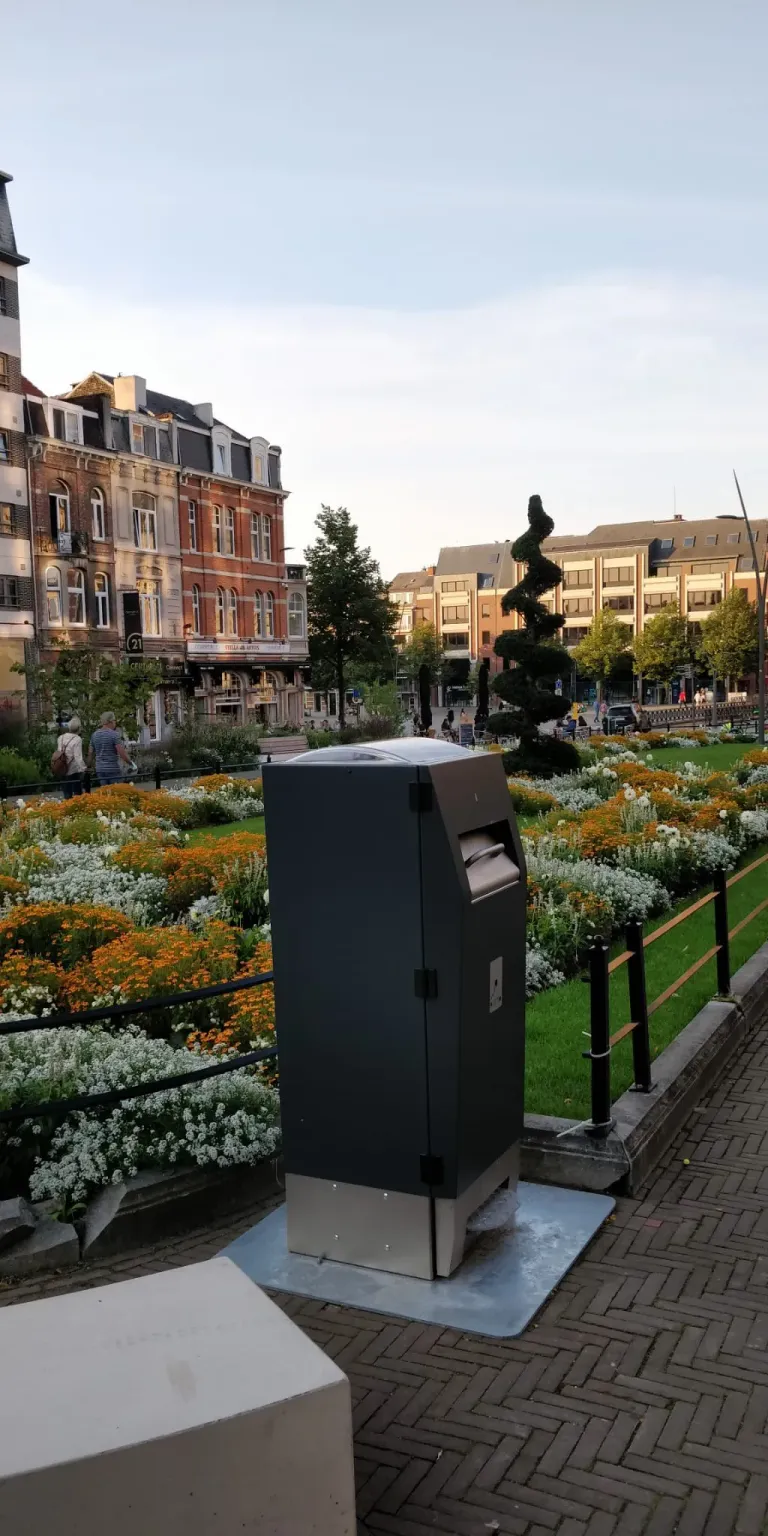
Compacting litter bin
WasteMate 240
Like the 120 L model, it includes a vertical press, solar power (outdoor) and fill-level sensing with remote management.
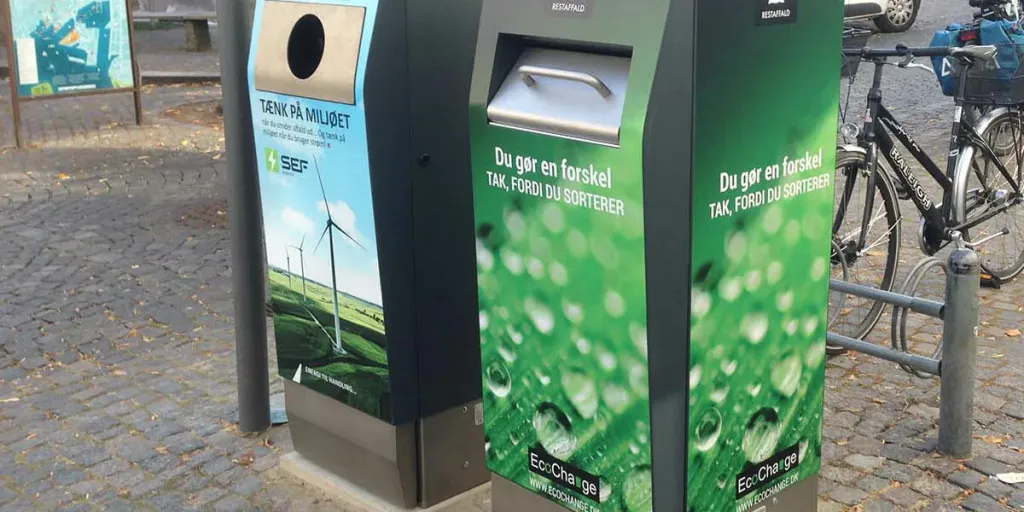
Without press
WasteMate Basic
Basic keeps smart litter-bin connectivity and monitoring (where configured) without the internal compaction unit.


Answers for your project
Suitable for historic centres?
Often yes where traditional bins saturate quickly, after footprint, access and constraint checks.
Seafront bins?
Depends on footfall, waste and emptying; compactors with monitoring where environment suits.
Stations?
Possible with flow, space and operator rules; verify indoor power options if solar is excluded.
City-wide rollout required?
No, prioritise chronic saturation; sensors elsewhere on compatible stock.
Urban decor?
Can reduce overflow risk via capacity; placement and service organisation still matter.
120 or 240 for high footfall?
Volumes, space and emptying frequency decide; see the model choice guide.